
Anxiety: A Guide to Symptoms and When to Get Help
Anxiety is something we’ve all felt. Maybe you felt your heart race before a big presentation or struggled with falling asleep when you had something on your mind. But anxiety becomes more than occasional nervousness when it starts interfering with your daily life. Understanding the signs of anxiety and knowing when it’s time to seek help can empower you to take care of your mental health with confidence.
What Anxiety Really Is
Anxiety is your brain’s alarm system. In theory, it keeps you safe by helping you react to stress or danger. However for many people, anxiety goes beyond momentary worry and becomes persistent and overwhelming, sometimes debilitating.
Anxiety disorders are among the most common mental health conditions in adults. They can take different forms and show up in different ways, from generalized anxiety to panic disorder and phobias.
Common Anxiety Symptoms
Anxiety affects both the body and mind, and symptoms can vary from person to person. Some typical signs include:
Persistent worry that feels hard to control
Restlessness or feeling “on edge”
Trouble sleeping or constant fatigue
Difficulty concentrating
Muscle tension or unexplained aches
Irritability or feeling easily overwhelmed
Rapid heartbeat, trembling, or sweating
Nausea or stomach cramps
Fear that something bad is about to happen
Everyone experiences anxiety differently. Some people feel mainly physical symptoms like heart palpitations, while others feel more emotional or cognitive symptoms like racing thoughts.
What Panic Attacks Feel Like
Panic attacks are intense bursts of anxiety that come on quickly and often without warning. You might experience:
Fast heartbeat or chest pain
Shortness of breath
Sweating and trembling
Feeling detached from yourself
Fear of losing control or dying
Panic attacks usually peak in about 10 minutes but can leave you feeling unsettled for longer. These attacks are a key feature of panic disorder, but you can also experience them with other anxiety conditions.
What To Do If Anxiety Impacts Your Life
Anxiety becomes a concern when it interrupts your daily routines or affects your relationships, work, or school life. You might find yourself avoiding situations that make you anxious, struggling to complete simple tasks, or feeling overwhelmed more often than not. These patterns matter, because untreated anxiety can start to affect your physical health, sleep, and overall quality of life.
When to Seek Help
It’s always okay to reach out for support. You don’t have to wait until anxiety feels unbearable to talk to someone. Here are some signs that it’s time to seek professional help:
Your anxiety lasts most of the day, nearly every day
You’re avoiding activities or people because of anxiety
You’re having frequent panic attacks
You feel hopeless or have thoughts of hurting yourself
You rely on substances to cope with anxiety
Your sleep is disrupted regularly
You can’t manage daily responsibilities due to anxiety
A mental health professional can help you understand your symptoms and explore treatment options like therapy or medication. There’s no shame in asking for help. In fact, reaching out early often leads to better outcomes.
Simple Ways to Reduce Anxiety
There are everyday practices that many people find helpful in coping with anxiety:
Stick to a consistent sleep schedule
Get regular physical activity
Practice deep breathing or mindfulness
Limit caffeine and alcohol
Eat balanced meals that support your energy
Build a support network of friends and family
These habits don’t “cure” anxiety, but they can support your overall well-being and make everyday stressors easier to manage.
How Mae Mental Wellness Can Help You
Anxiety is common, and help is available. Whether you’re noticing early signs or you’ve been living with anxiety for years, acknowledging what you’re feeling is the first step toward healing.
If you’re ready to take the next step in your mental health journey, Mae Mental Wellness is here to help. You can book an appointment by filling out our online form or calling (561) 231-0233. Learn more about our services and accepted insurance plans.
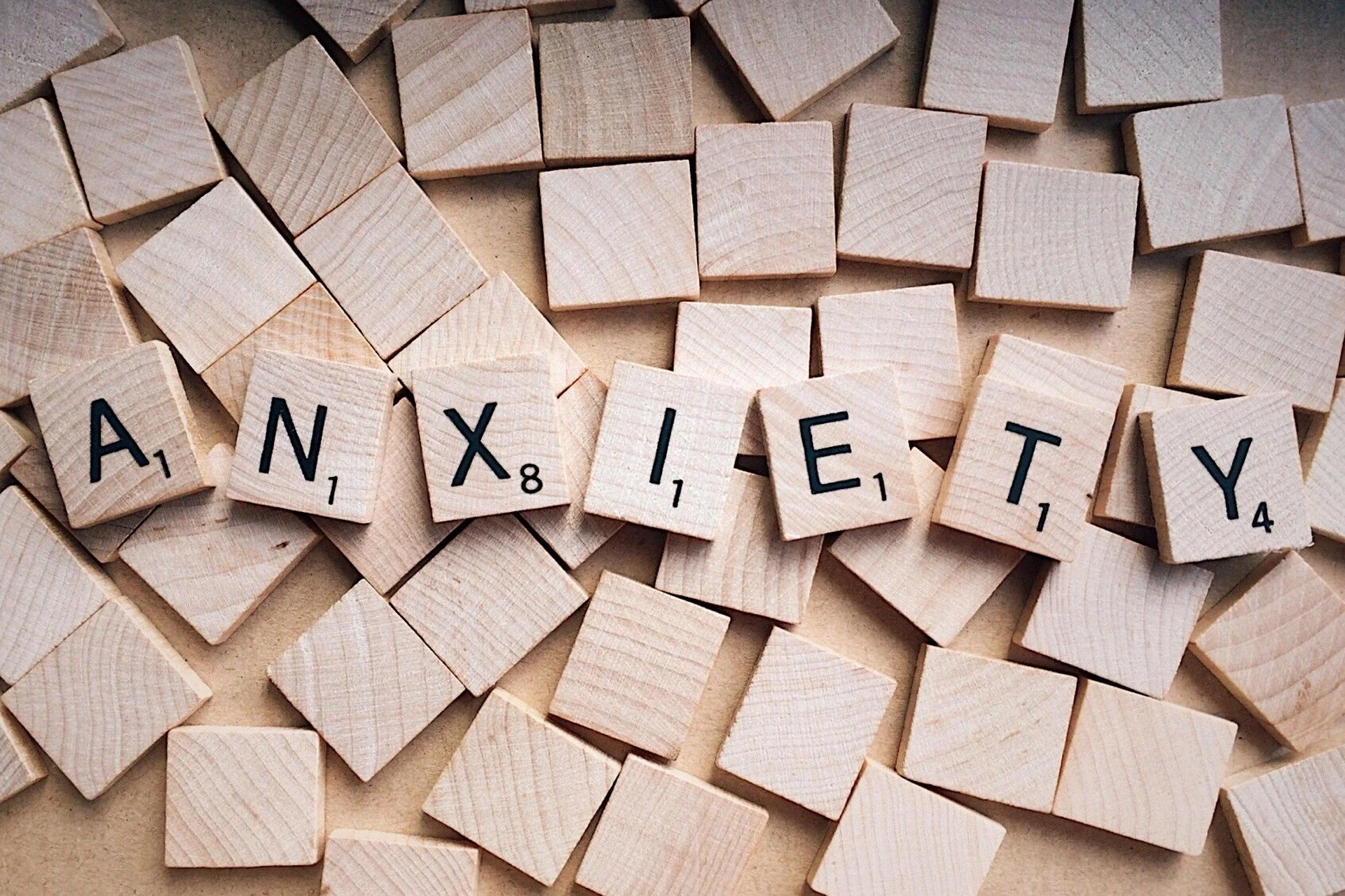
Header image provided by Pixabay.